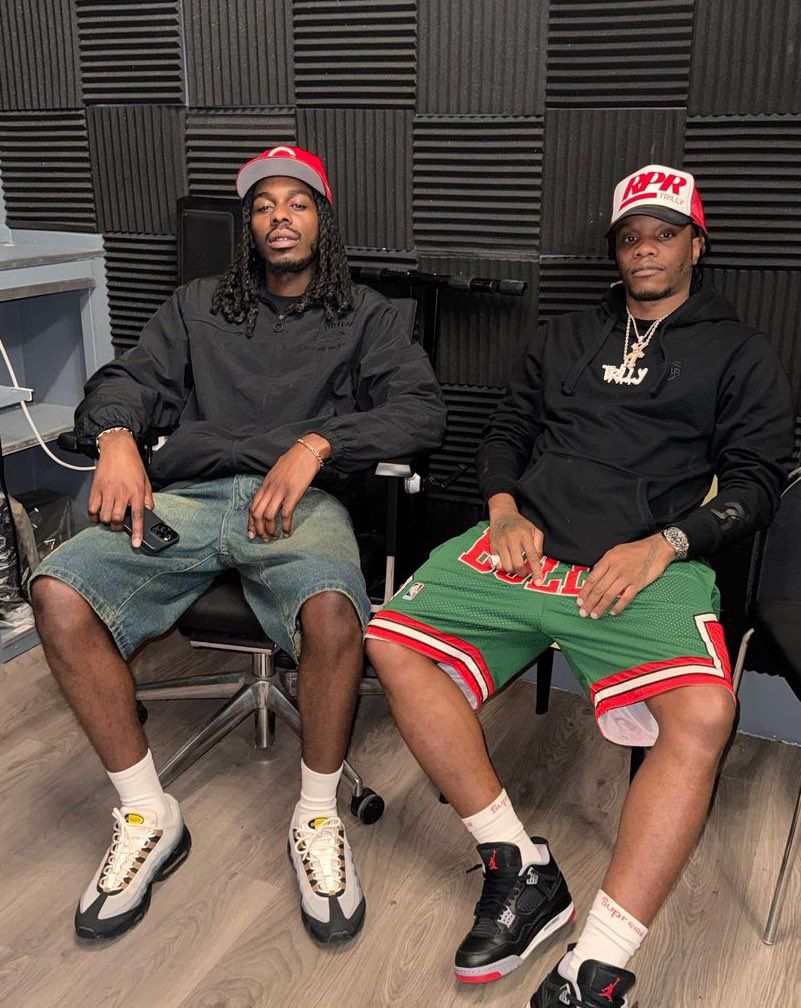
There’s something special about an artist who can do it all, write the lyrics, shape the sound, and bring their vision to life from start to finish. It’s like getting a full picture of who they are, straight from the source. With Knucks just dropping his new album ‘A Fine African Man’, it’s interesting to note that he only has two production credits on it. But that doesn’t take away from the bigger picture: self-production has been central to his artistry, and he has produced most of his work up to this date. Every beat, chord, and texture he touches carries that personal touch, and that makes celebrating UK artists who produce their own music all the more important.
Knucks has been crafting his sound for years. He is a master of detail, the kind of artist who’ll tweak a snare sound for hours just to make sure it feels right. From Home to Leon the Professional, every project feels intentional, and that’s the beauty of self-production. No outside interference, no “maybe try this” from a random A&R, just pure vision.
The Self-Produced Edge (Knowing Your Sound)
When an artist produces their own music, it just hits differently. Everything, the drums, the melodies, even the silence in between, has their fingerprint all over it.
Even before Knucks became a defining voice in UK rap, he was quietly making his mark behind the boards. He was producing for UK rap heavyweight, Blade Brown, and later worked on his 2019 album Bags and Boxes 4. He also produced on Youngs Teflon’s latest album Keep the Change, two respected pillars in UK rap. It’s wild to think that before the world even caught on to his own artistry, the groundwork for his distinct, soulful style was already echoing through other people’s projects.
Take Dave, for example. He’s not just a lyricist; he’s a storyteller who scores his own narratives. From the tense build-up of ‘Streatham’ to the cinematic drama of ‘Verdansk’, Dave’s production carries the same emotion as his words. He doesn’t just rap over beats; he engineers the feeling behind them.
And his impact goes way beyond his own catalogue. Dave executive-produced Fredo’s 2021 album ‘Money Can’t Buy Happiness’, handling the majority of the production and shaping the album’s sound from top to bottom. Tracks like Back to Basics have become cult favourites for how seamlessly they merge Fredo’s sharp lyricism with Dave’s rich, piano-driven style. It’s a perfect example of how a self-producing artist can elevate someone else’s world too.
He also brought that same touch to Central Cee’s 23, producing ‘End of the Beginning’, a standout closer that’s reflective, layered, and beautifully constructed. It’s the kind of track that shows Dave’s deep understanding of mood and storytelling, even when he’s behind the scenes.
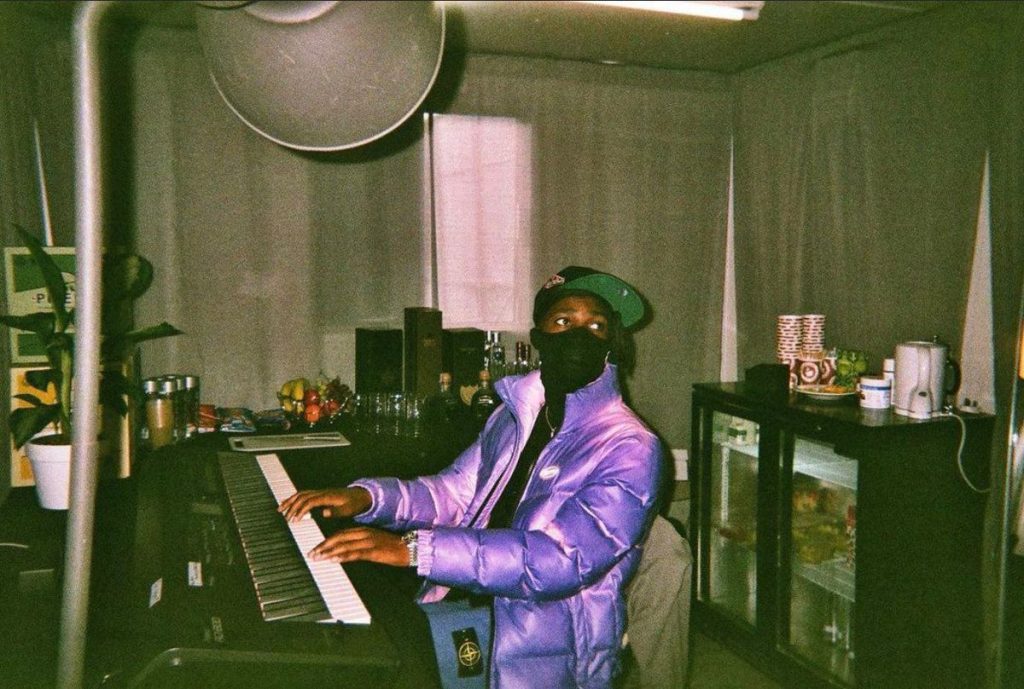
Then there’s KWN, who’s quietly been making serious noise both here and across the Atlantic. In a short time, she’s not only shaped her own sound but also produced for heavyweights like Kehlani and Destin Conrad. Her production is lush, clean, and emotionally rich, the kind of sound that instantly makes you stop and listen. It’s no surprise the Americans have taken notice.
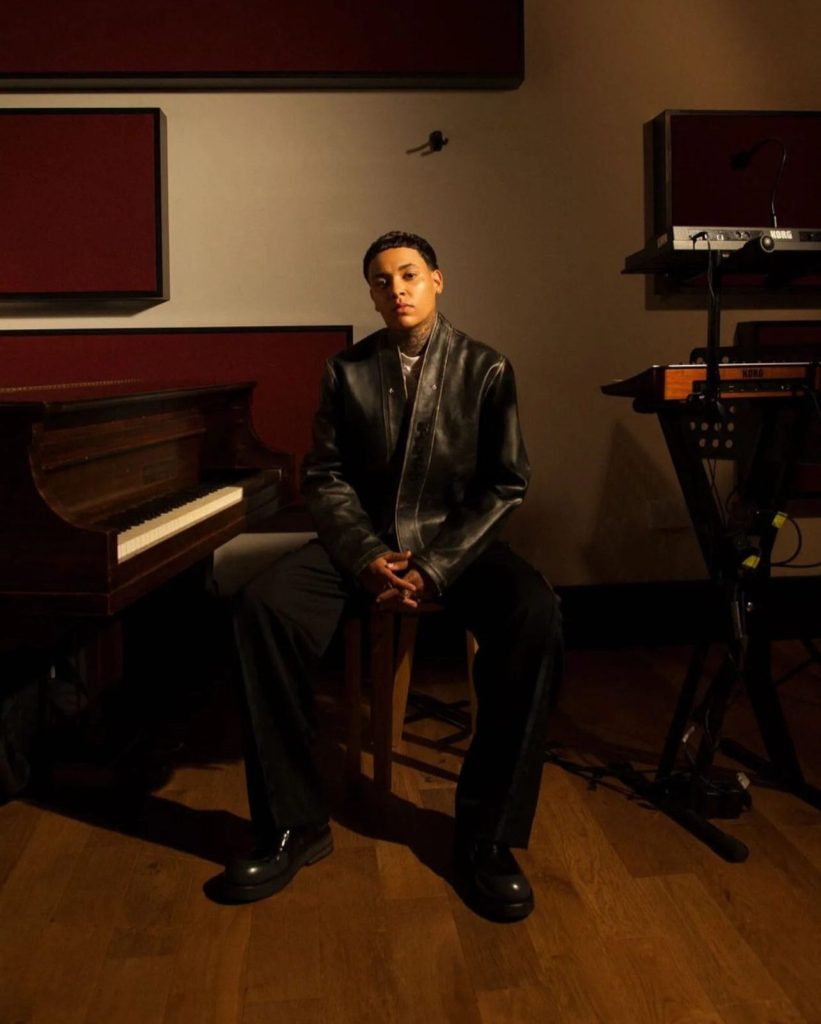
And of course, we can’t talk about self-producing without mentioning Skepta. The man literally produced ‘Praise The Lord (Da Shine)’ with A$AP Rocky, one of the biggest rap anthems of the last decade, while rapping on it himself.
Artists like Odeal, Jim Legxacy, and Tyler Daley (of Children of Zeus) also deserve their flowers. Their production blends genres so effortlessly, R&B, soul, hip-hop, jazz, it’s almost unfair. You can hear the depth, the precision, the musicality that comes from knowing exactly how you want your sound to feel.
The common theme? Musicality. Always top tier. When artists produce themselves, they’re not just thinking about verses and hooks, they’re thinking about harmony, rhythm, texture, space. It’s a deeper level of musicianship that separates great artists from cultural architects.
Self-production also gives them freedom. Freedom to experiment, to take risks, to build sounds no one else would dare try. There are no middle men diluting ideas, no waiting around for inspiration to strike, because the artist is the inspiration.
Written by: Luke Mugala
Comments